
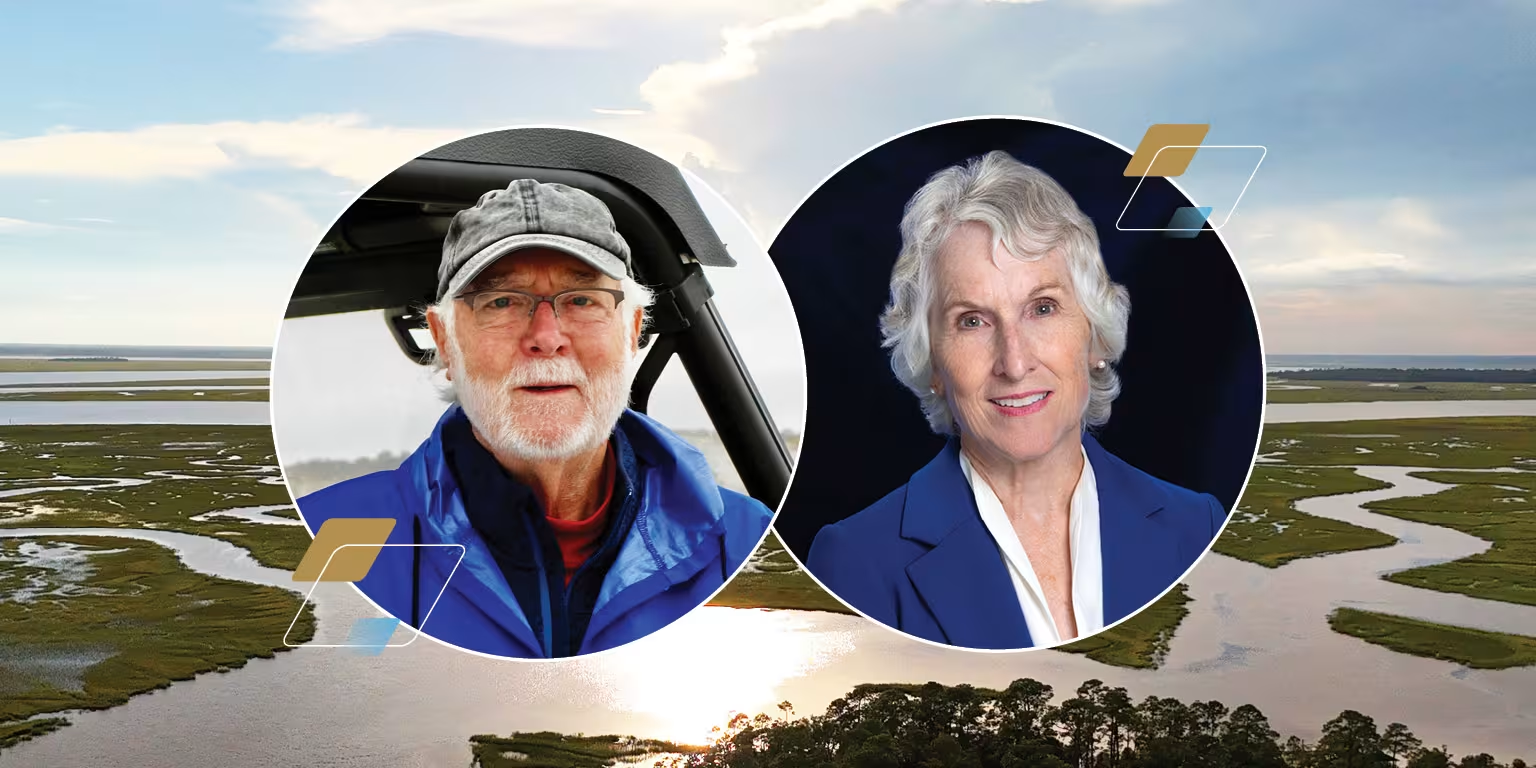
The Ever-Changing Georgia Coast: In Conversation with President Emeritus G. Wayne Clough
On October 23, journey to the Georgia coast with G. Wayne Clough, CE 63, MS CE 65, HON PhD 15, President Emeritus of Georgia Institute of Technology and Secretary Emeritus of the Smithsonian Institution, and author of the new book, The Ever-Changing Georgia Coast: A Natural History of Its Creation, Transformation, and Future.
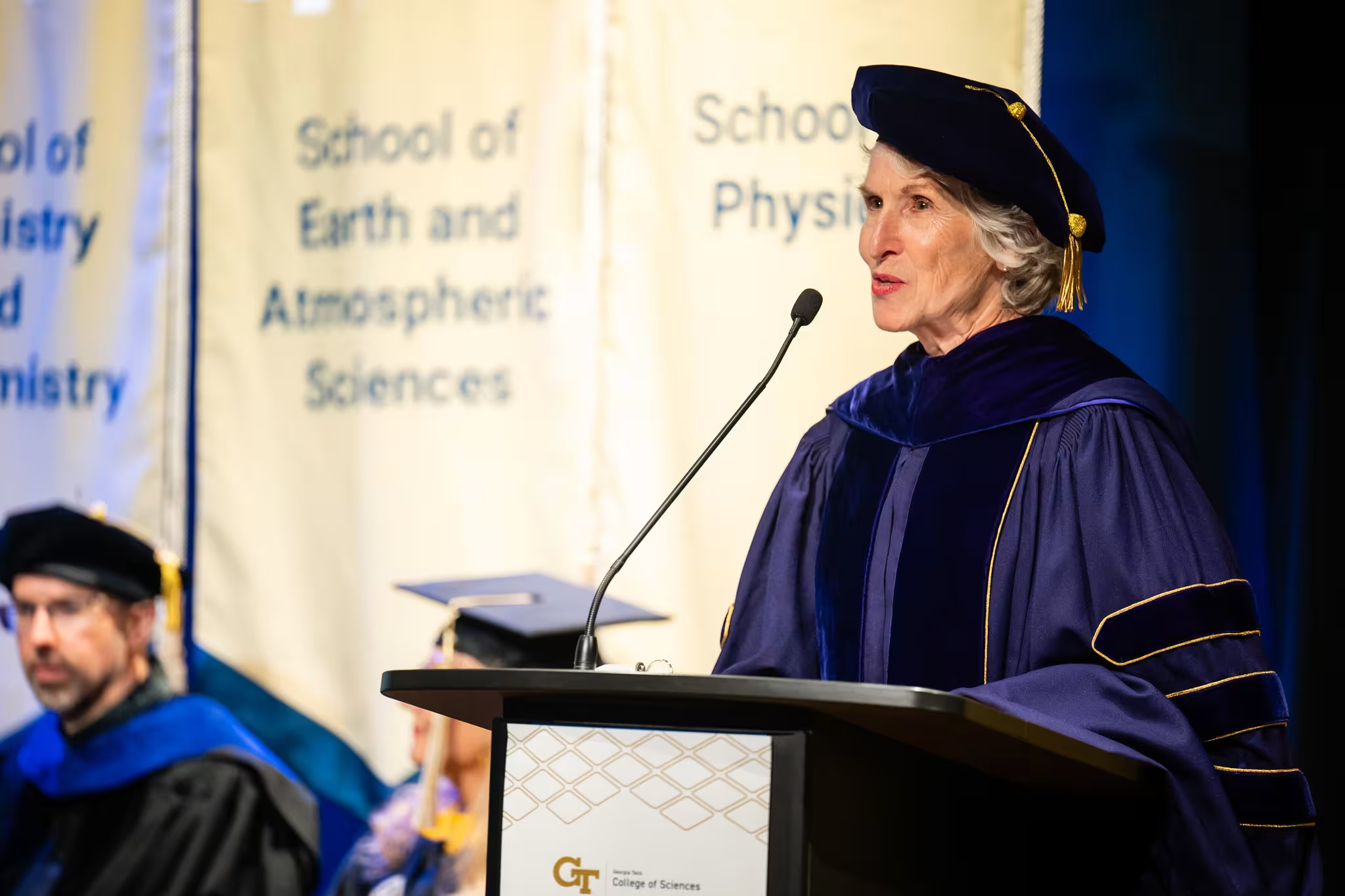
Susan Lozier to Complete Transformative Term as Sciences Dean

Beyond DNA: Large Study Adds Context of Life Circumstances, Environment to Genetic Risks
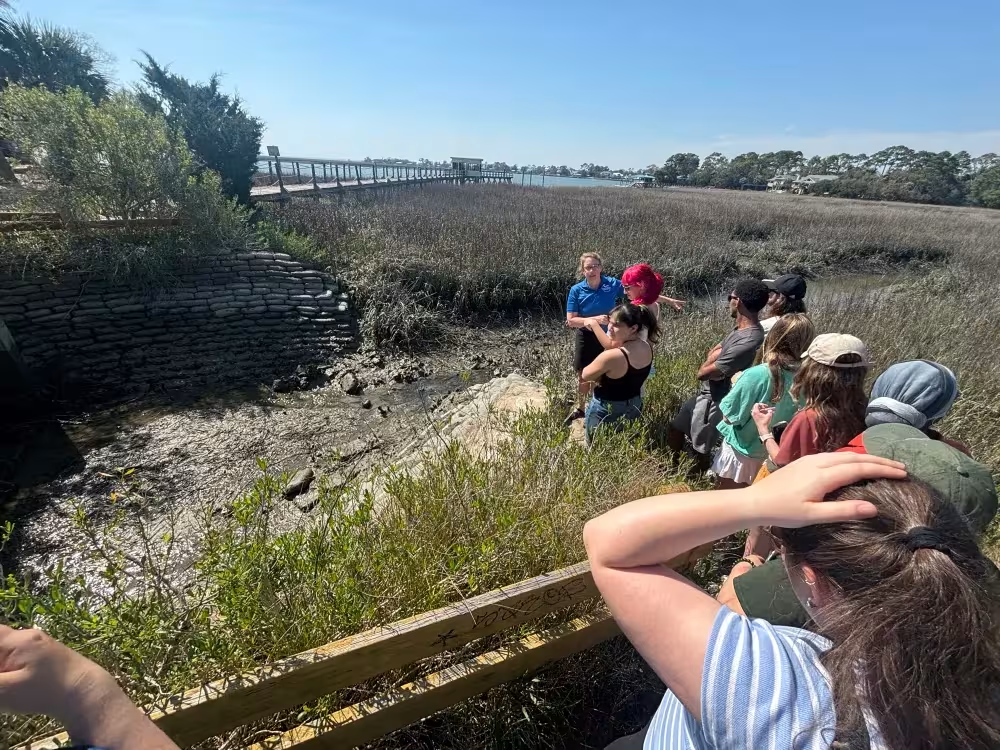
The College of Sciences at Georgia Tech cultivates curiosity, encourages exploration, and fosters innovation to develop leaders and scientific solutions for a better world. Discover more.
Explore the College
Undergraduate Degrees
Learn about applying to the College, scheduling a visit, and majoring in one of our degree programs.
Learn more about Undergraduate Degree Programs in the Sciences
Graduate Degrees
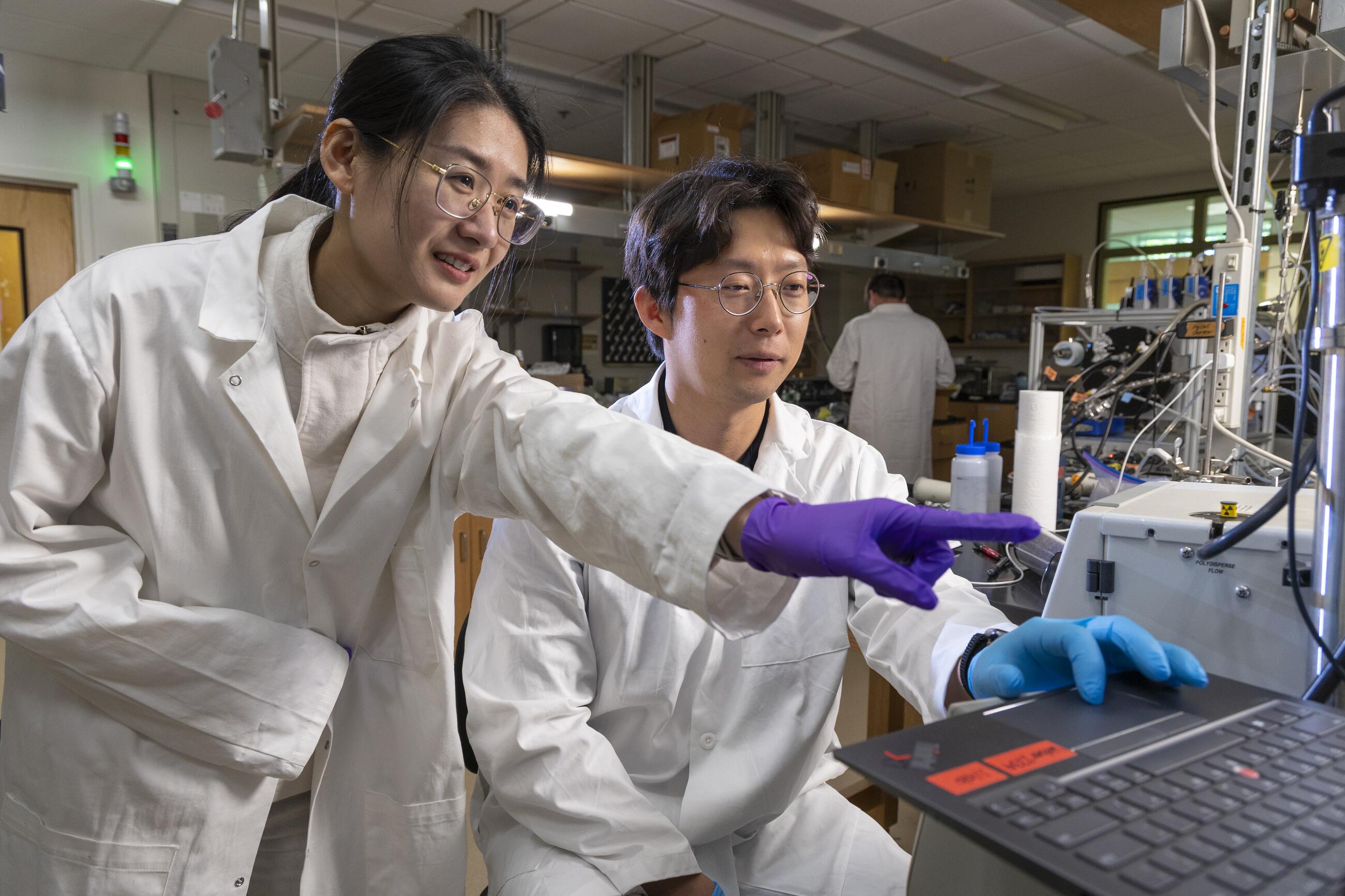
The College of Sciences is home to five Masters programs and seven doctoral programs, in addition to numerous interdisciplinary programs.
Connect with the College
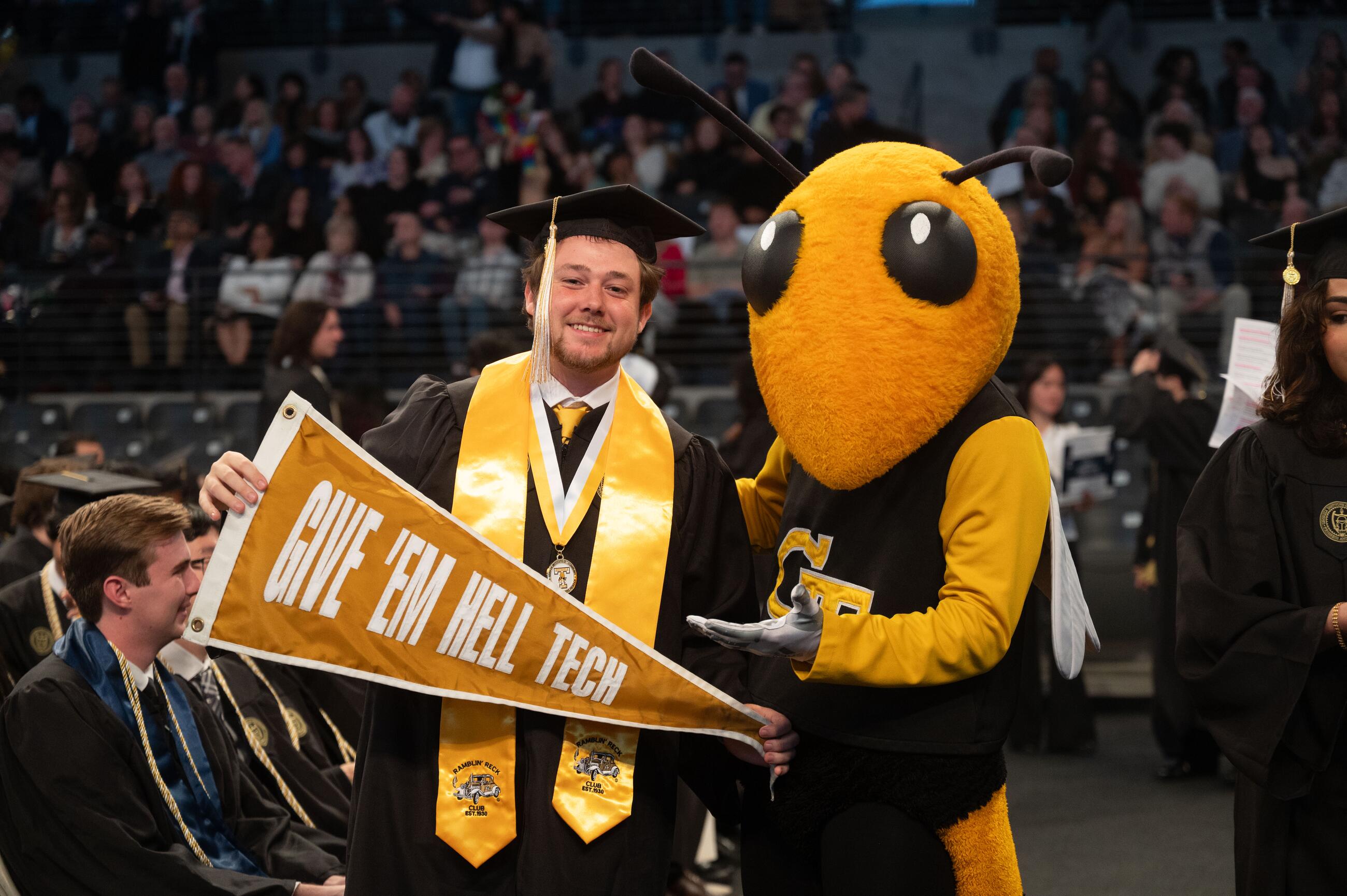
Our alumni are part of the special community linked by traditions and experiences unique to Georgia Tech
Research
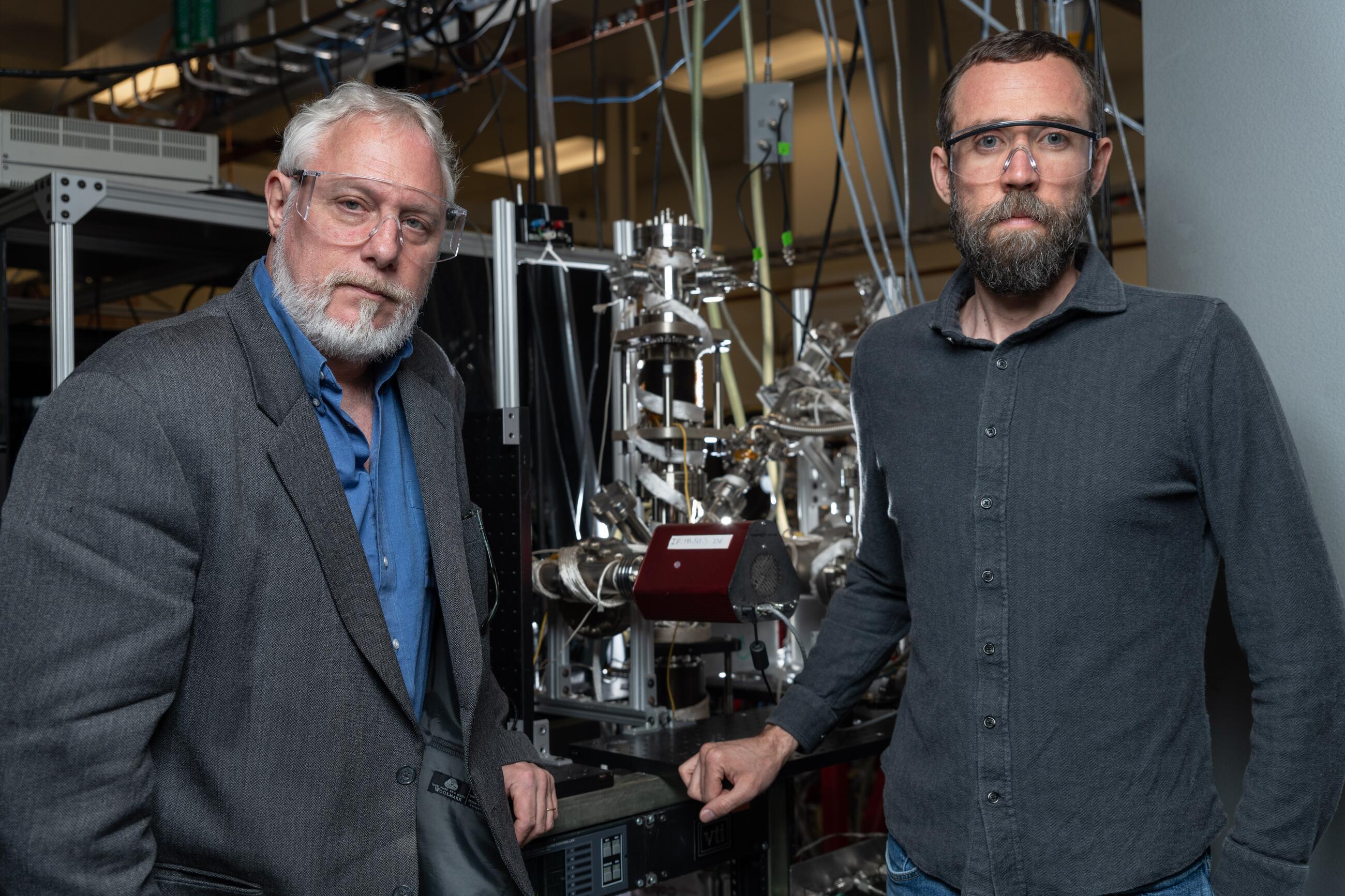
Our faculty and student researchers undertake groundbreaking studies in many fields of scienctific inquiry.
Latest News



Experts in the News
Sea cucumbers may help protect coral reefs
Coral reefs are under pressure. The seas they live in are getting ever warmer and more acidic, taking them out of coral’s comfort zone. Pollution is encouraging algal blooms, which stifle their growth. And overfishing is wiping out many species that they depend on for protection.
The over-fished species which have drawn most attention are those that feed on the algae or hunt others which have a penchant for consuming coral. However, Cody Clements and Mark Hay of the Georgia Institute of Technology wish to add what might seem an unlikely candidate to the list: sea cucumbers.
The Economist
Agricultural Liming Is a Carbon Sink
For most of the industrial era, spreading crushed limestone across farmland has been treated as a carbon problem. The rock contains carbon; it ends up in contact with air and water, and by the most conservative accounting conventions, carbon is assumed to escape as carbon dioxide. Regulators and major climate assessments have baked that assumption into their default rules for decades.
A study published in Nature now argues that the opposite is true and that the error came from asking the wrong question. Across more than 120 years of records from the Mississippi River Basin, the researchers, including study co-author Chris Reinhard, conclude that agricultural liming has removed somewhere between 300 and 400 million metric tons of carbon dioxide from the atmosphere since 1900.
Intelligent Living
Upcoming Events
Thu Oct 15
Machine Learning Seminar Series | Story of 3 D’s: Deep Image Prior, Diffusion Models, and Deep Linear Networks
Featuring | Saiprasad Ravishankar - Departments of Computational Mathematics, Science and Engineering and Biomedical Engineering at Michigan State University
Thu Oct 15
Machine Learning Center Special Seminar: Advancing Data-driven Science of Meditation for Improved Mental Health
Featuring | Saiprasad Ravishankar - Departments of Computational Mathematics, Science and Engineering and Biomedical Engineering at Michigan State University
Fri Oct 16
Fossil Friday
Join the Spatial Ecology and Paleontology Lab for Fossil Fridays. Become a fossil hunter and help discover how ecosystems have changed over time.
Fri Oct 16
Plant Library
Join us every Friday that classes are in session for the Plant Library. We open 3:30 - 4:30 pm to plant seeds, take cuttings, nurture plants, and distribute plants that are ready to take home.
Wed Oct 21
IRIM Fall 2026 Seminar Series V
Featuring | Nadia Figueroa - Shalini and Rajeev Misra Presidential Assistant Professor of Mechanical Engineering and Applied Mechanics, University of Pennsylvania
Thu Oct 22
Observatory Public Night
On select Thursday evenings during the academic year, the Georgia Tech School of Physics invites you to observe various bright celestial objects through telescopes.
Fri Oct 23
Fossil Friday
Join the Spatial Ecology and Paleontology Lab for Fossil Fridays. Become a fossil hunter and help discover how ecosystems have changed over time.
Fri Oct 23
The Ever-Changing Georgia Coast with President Emeritus G. Wayne Clough
Join us for a special author conversation, reading, and Q&A followed by a book-signing reception with refreshments, Georgia Tech for Georgia’s Tomorrow swag, and drawing for signed books.